


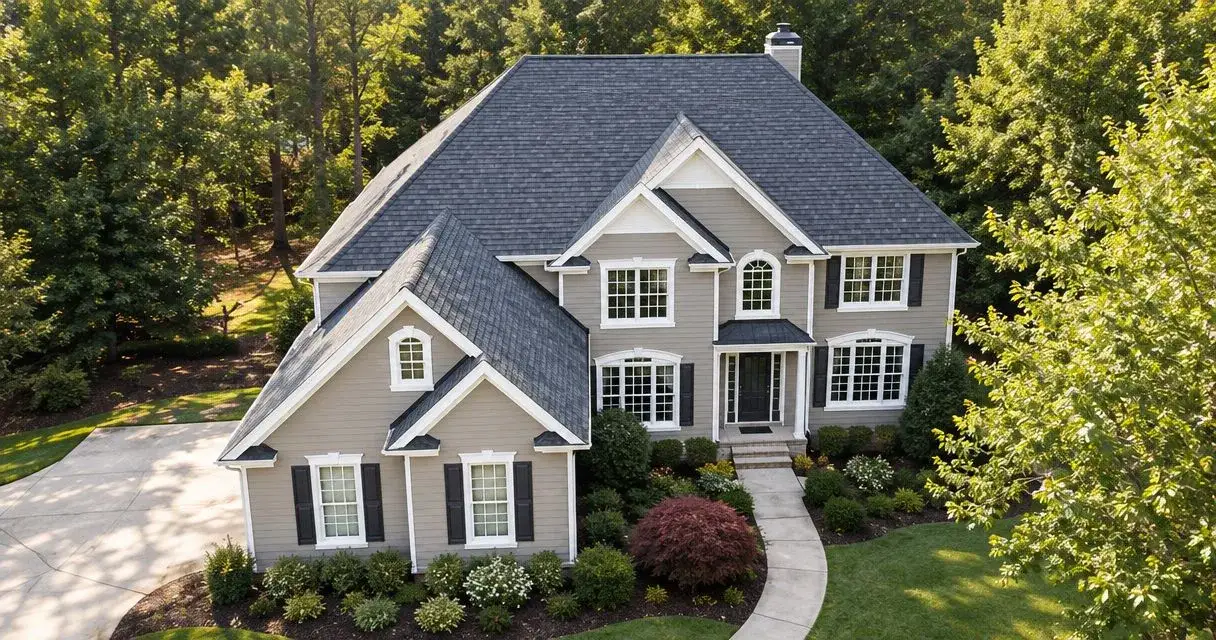
Best overall for Georgia humidity: fiber cement. Best low-maintenance pick: vinyl. Best wood look with less rot risk: engineered wood. Metal works for specific cases, and natural wood is the highest-upkeep choice in this climate.
Georgia siding fails from moisture first and sun second. Long humid summers, afternoon storms and shaded north walls give mildew, rot and termites everything they need. If you are choosing siding for a home in Newnan, Peachtree City or the Atlanta metro, pick the material that handles moisture best, then match the finish to your budget. Hero Roofing installs siding, and this guide covers how each material behaves in Georgia conditions.
TL;DR
- Fiber cement is the best siding material for Georgia humidity: it resists rot, termites and warping.
- Vinyl is the best low-maintenance pick, but it needs correct installation to handle heat expansion.
- Engineered wood gives a wood look with better moisture resistance than natural wood, if every cut edge is sealed.
- Natural wood is the highest-upkeep option in Georgia’s humidity and termite conditions.
- Installation quality and flashing matter as much as the material you choose.
Why this matters
Siding is your home’s rain screen. When it fails, water gets behind it, and you often find out only when sheathing is already soft or the interior shows stains.
Georgia is hard on that barrier in three ways:
- Humidity: walls stay damp for long stretches, especially on shaded sides.
- Heat: sun-baked walls expand and contract every day, which stresses seams, fasteners and paint.
- Pests and growth: termites are a real concern in the Southeast, and mildew and algae spread fast on damp surfaces.
Red clay and heavy rain add another problem. Splash-back from bare soil stains the bottom courses of siding and keeps them wet.
What makes the best siding for Georgia humidity
These are the criteria used to rank the five materials below:
- Moisture resistance: does the material absorb water, swell or rot?
- Termite and pest resistance: can insects feed on it?
- Mildew and algae behavior: how easily does it stain, and how easily does it clean?
- Heat stability: how does it handle daily expansion and contraction in summer sun?
- Upkeep: how often does it need repainting, sealing or repair?
- Installation sensitivity: how much does performance depend on flashing, gaps and fastening done right?
Siding materials at a glance
| Material | Best for | Standout feature | Key limitation |
|---|---|---|---|
| Fiber cement | Overall humidity performance | Resists rot and termites | Heavy; needs painted edges sealed |
| Vinyl | Low maintenance | Color runs through the panel; no repainting | Expands in heat; can warp or buckle if installed tight |
| Engineered wood | Wood look with better moisture resistance | Pre-primed, textured finish | Cut edges must be sealed or it swells |
| Metal (steel or aluminum) | Termite and rot worries on simple designs | Not edible or rot-prone | Dents; steel can rust where the coating is scratched |
| Natural wood | Traditional look | Classic appearance | Rots and attracts termites without constant upkeep |
1. Fiber cement: best siding for Georgia humidity overall
Fiber cement is a cement-based board made to look like wood lap siding, shingles or panels. It does not rot, and termites do not eat it. Those two traits are exactly what Georgia humidity punishes in other materials.
Fiber cement pros:
- Does not rot or feed termites
- Holds paint well and keeps a crisp, wood-like profile
- Stable in heat compared with vinyl
- Works with many architectural styles
Fiber cement cons:
- Heavy, so installation takes skilled labor
- Cut edges and joints must be sealed and painted, or water can wick in
- Paint finishes still need periodic maintenance
Fiber cement pricing: varies with the profile and finish. Ask for a written estimate that specifies exactly what is included.
Best for: homeowners who want the strongest moisture and pest defense and a painted look.
Verdict: Buy. This is the default pick for humid Georgia walls.
2. Vinyl: best low-maintenance siding for budget-minded homes
Vinyl siding is molded plastic. It does not rot, it never needs paint, and a hose cleans most mildew off. That makes it the most hands-off option on this list.
Its weak point is heat. Vinyl expands and contracts with temperature, so panels have to hang loose on their fasteners. Nailed too tight, they buckle on hot afternoons. Because of that, installation quality decides how vinyl performs here.
Vinyl pros:
- Never needs painting
- Resists moisture and rot
- Easy to clean when algae or mildew shows up
- Wide range of colors and profiles
Vinyl cons:
- Can warp or buckle if installed too tight
- Can crack on impact
- Does not give the depth of wood or fiber cement
Vinyl pricing: depends on thickness and style. Compare quotes on the same specification.
Best for: homeowners who want the lowest upkeep and a simple, durable exterior.
Verdict: Buy, as long as the installer understands thermal movement.
3. Engineered wood: best siding for a wood look in humid weather
Engineered wood siding uses wood fibers and binders, treated and primed for exterior use. You get the warmth of wood with better resistance to rot and insects than natural lumber.
The catch is the edges. Cut ends and notches are where moisture enters, so every one has to be sealed during installation. Skip that step in Georgia humidity and the boards swell.
Engineered wood pros:
- Real wood-style texture and appearance
- Factory-primed, ready to paint
- Better rot and termite resistance than untreated wood
Engineered wood cons:
- Unsealed cut edges absorb water and swell
- Needs repainting on a regular schedule
- Damage from lawn equipment or impacts needs prompt repair
Engineered wood pricing: varies by product line and finish. Get itemized quotes.
Best for: homeowners who want a wood appearance without natural wood’s upkeep.
Verdict: Hold. A good choice with a careful installer and a commitment to repainting; a risk otherwise.
4. Metal siding: best for termite worries on simple designs
Steel and aluminum siding give termites nothing to eat and do not rot. They shed water quickly and handle sun well.
They are less common on traditional Georgia homes. Metal can dent from hail or stray balls, and steel can rust at deep scratches where the coating is broken. Aluminum resists rust but dents more easily.
Metal siding pros:
- Not edible to termites and not prone to rot
- Sheds water and handles heat
- Suits modern, farmhouse and barn-style looks
Metal siding cons:
- Dents from impact
- Steel can rust if the coating is scratched
- Does not match every neighborhood or HOA style
Metal siding pricing: depends on metal type, gauge and finish. Ask for specifics in writing.
Best for: simple, modern designs where pest and rot resistance is the priority.
Verdict: Hold. Strong on moisture, narrower on style fit. Check HOA rules first.
5. Natural wood: best for a traditional look, if you accept the upkeep
Natural wood siding, such as cedar or pine, looks the part on a classic home. In Georgia it is also the most demanding material on this list. It absorbs moisture, grows mildew, and termites find it.
Wood can last when it is sealed, painted and inspected on a regular schedule. If that schedule slips, repairs add up quickly.
Natural wood pros:
- Classic, warm appearance
- Individual boards can be repaired or replaced
- Works well on historic or traditional styles
Natural wood cons:
- Absorbs moisture and rots in humid conditions
- Attractive to termites
- Needs the most frequent sealing and painting
Natural wood pricing: depends on species and grade. Request itemized quotes.
Best for: homeowners committed to ongoing maintenance for a traditional look.
Verdict: Skip unless the look is non-negotiable and you will keep up the maintenance.
How these were ranked
The order follows the criteria above, weighted toward moisture and termite resistance because those are the failures that cost the most in Georgia. Style and personal taste matter too, so the list works as a decision tree: pick the item whose “best for” matches your priority.
Georgia details that change the answer
Material choice is only part of it. These details decide whether any siding lasts:
- Flashing: water gets in around windows, doors, rooflines and penetrations. Proper flashing matters more than the face material.
- Clearance from soil: keep siding off the ground. Red clay splash-back stains and keeps lower boards wet.
- Shade and airflow: north walls and walls near thick trees stay damp longer. Trim back branches and keep gutters clear.
- Pine needles and debris: needles packed in roof valleys and against siding trap moisture.
- Gutters: overflowing gutters pour water down the wall. Our roofing materials guide covers the roof side of the same moisture problem.
Which siding should you choose?
Choose fiber cement if you want the best protection against Georgia humidity and termites and are fine with a painted finish.
Choose vinyl if low maintenance matters most and your installer understands thermal movement.
Choose engineered wood if you want a wood look and will seal every cut edge and repaint on schedule.
If you are undecided, start with fiber cement. It gives the most margin against the things Georgia weather throws at a wall.
FAQ
What is the best siding material for Georgia humidity?
Fiber cement is the best siding material for Georgia humidity. It does not rot or feed termites, and it stays more stable in heat than vinyl.
Is vinyl siding good in Georgia heat?
Vinyl works in Georgia heat when installed correctly. Panels must be able to expand and contract, so fastening too tight causes buckling.
Does siding grow mold and mildew in Georgia?
Yes, any siding can grow mildew or algae on damp, shaded walls. Vinyl and fiber cement are easier to keep clean than natural wood.
Is wood siding a bad idea in Georgia?
Natural wood is the highest-maintenance option in Georgia. It absorbs moisture, rots and attracts termites unless it is sealed and painted on a regular schedule.
Is engineered wood siding better than natural wood in humidity?
Engineered wood resists rot and insects better than untreated natural wood. Every cut edge still has to be sealed, or the boards swell.
Does the installer matter as much as the siding material?
Yes. Flashing, fastening, gaps and sealed edges decide whether water stays out. A good material installed badly fails early.
Can siding problems damage my roof or gutters?
Siding, roof and gutters share one water path. Clogged gutters and failed roof flashing send water down walls, so check them together.
One last thing
Check your north wall and the lowest courses of siding first. Those spots show moisture trouble earliest in Georgia, and soft, stained or bubbling boards there often mean water has been getting in for a while.
Related guides
Get your siding checked
Unsure which material fits your home, or worried about moisture already behind the wall? Hero Roofing offers a free inspection so our team can look at your siding, roof and gutters together and tell you what they find.
Schedule your free inspection
Our team checks siding, roof and gutters together.
